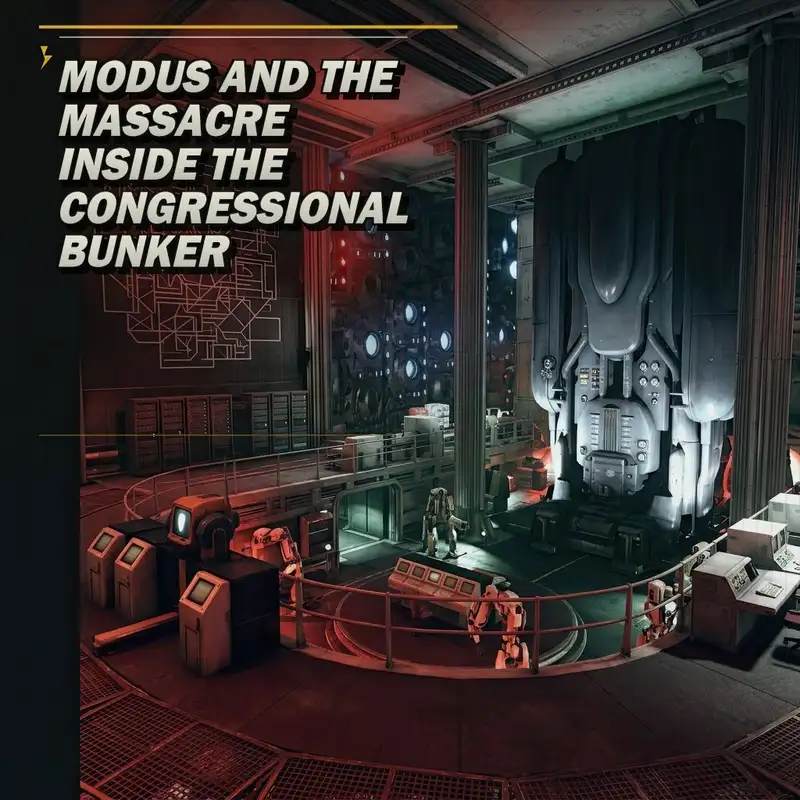
MODUS and the Massacre Inside the Congressional Bunker
The importance of MODUS and the Massacre Inside the Congressional Bunker comes from its place in the earliest postwar decades in Appalachia, where surviving organizations tried to build security before the Scorched crisis destroyed the first regional order, where a local action…
The importance of MODUS and the Massacre Inside the Congressional Bunker comes from its place in the earliest postwar decades in Appalachia, where surviving organizations tried to build security before the Scorched crisis destroyed the first regional order, where a local action can create consequences far beyond one battlefield. At the center is automated command, continuity bunkers, factional violence, and the dangers created when secret government infrastructure survives without accountable leadership, linking tactical choices to the ability of communities, states, or armed groups to continue operating. The subject matters because it changes the strategic options available afterward. The episode stays within the supplied chronology and avoids unsupported continuity claims. Within the season, it reinforces the larger theme that civil defense, factional rivalry, biological threat, scarce infrastructure, and improvised government determined which communities could endure after the bombs. Victory remains conditional, measured by whether a faction preserves enough manpower, resources, authority, and mobility to shape what follows. Visit ImaginedBattlefield.com for more military and science fiction.